
Nagdhunga–Sisnekhola Tunnel Opens, Marking a New Era for Nepal’s Road Infrastructure





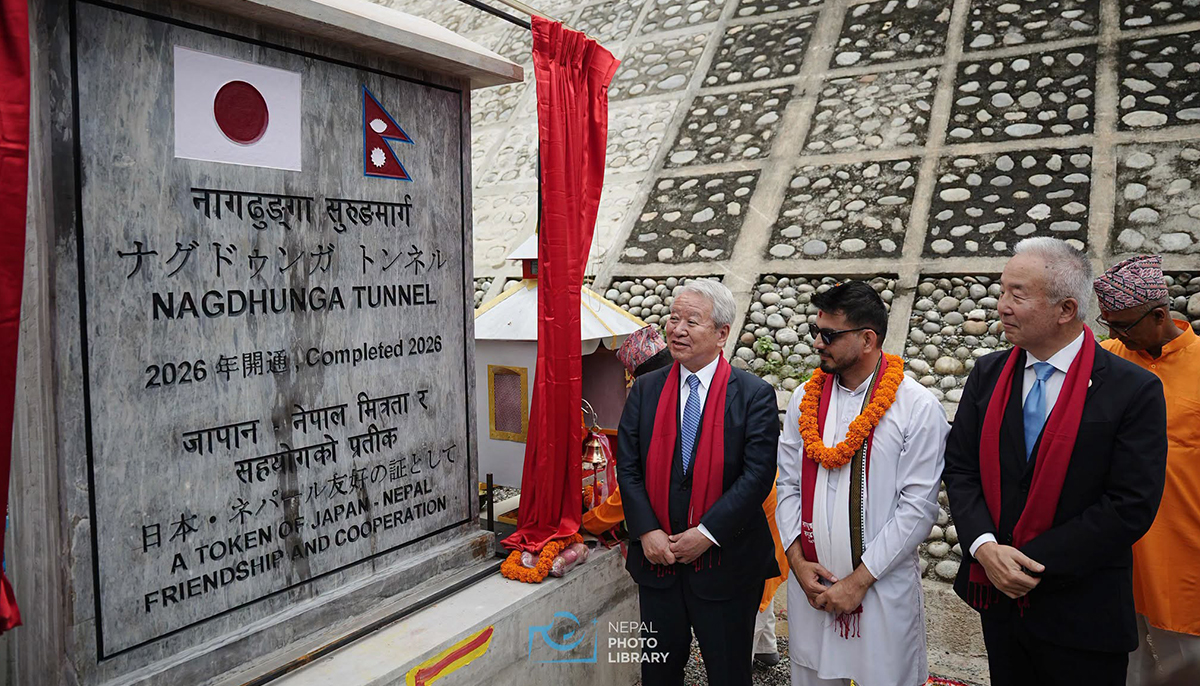
The Nagdhunga–Sisnekhola Tunnel, the country’s first modern road tunnel, has officially entered operation following its formal inauguration today.
The landmark infrastructure project was inaugurated by Infrastructure Development Minister Sunil Lamsal in the presence of Japanese Ambassador to Nepal - Maeda Toru, and Japan International Cooperation Agency (JICA) President - Dr Tanaka Akihiko.

The tunnel links Dahachok in Kathmandu’s Chandragiri Municipality with Sisnekhola in Dhading and is expected to improve traffic movement along one of the busiest entry routes into Kathmandu Valley by reducing congestion, cutting travel time, and providing a safer alternative to the existing Nagdhunga road section.

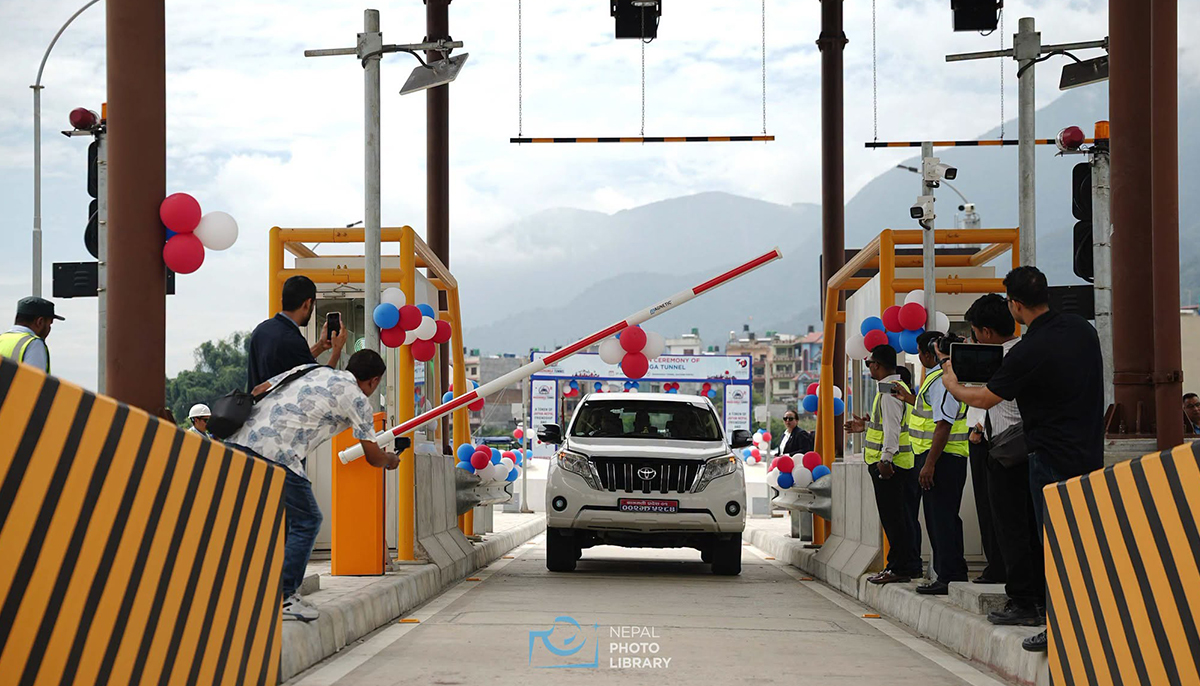
Speaking during the inauguration, Minister Lamsal said the project represents the beginning of a new phase of tunnel-based infrastructure development, adding that similar projects would be expanded in other parts of the country to improve connectivity.

Trial Operation Before Full Opening
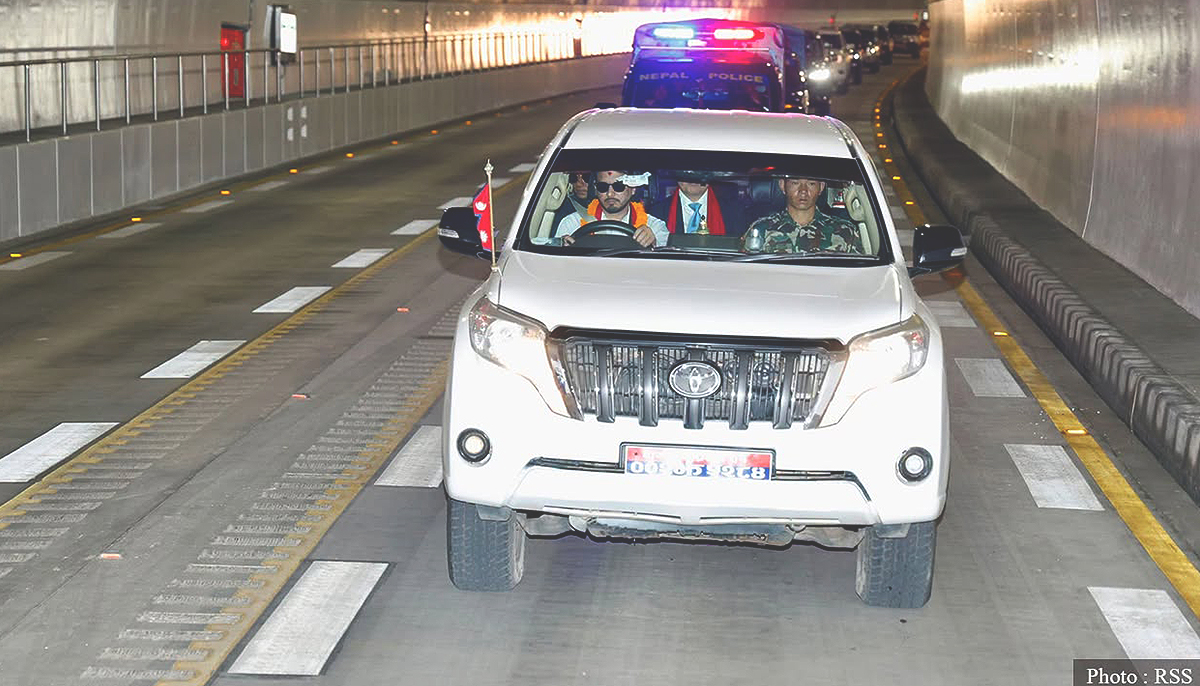
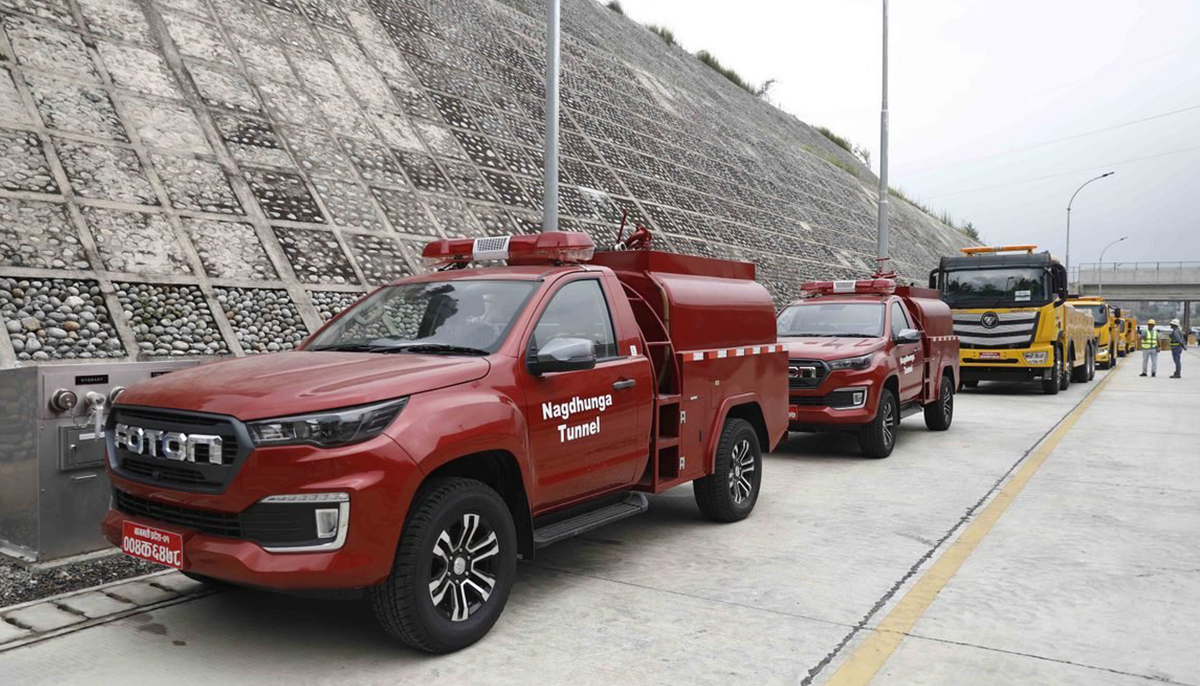
Although the tunnel has been officially inaugurated, it will not immediately be available for all vehicles. According to project officials, the initial phase will allow only ambulances, fire engines, security vehicles, and other emergency service vehicles to use the tunnel.
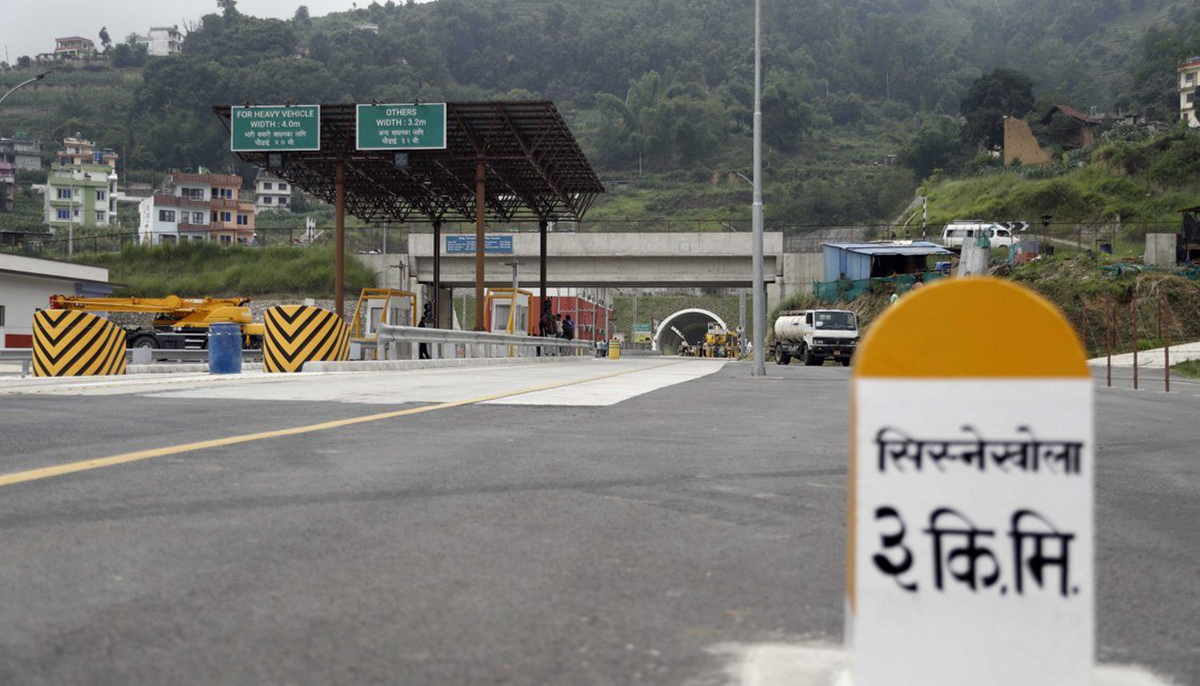
The facility will undergo a trial operation period of around three months, during which authorities will monitor safety systems, traffic flow, and overall tunnel management. After reviewing the results, access will gradually be expanded to other vehicles.
Vehicles using the tunnel during the trial period will not be charged any toll fees.
Toll Structure Set for Regular Operation
Once commercial operation begins, vehicles will be charged according to their category.
The Department of Roads has proposed the following toll rates:
- Cars, vans, pickups and other light vehicles: NPR 65 while entering Kathmandu and NPR 60 while exiting
- Minibuses, mini trucks and tippers: NPR 115 while entering and NPR 80 while exiting
- Buses and large trucks: NPR 260 while entering and NPR 200 while exiting
- Multi-axle trucks and heavy equipment vehicles: NPR 600 while entering and NPR 250 while exiting
Authorities have restricted entry for motorcycles, scooters, three-wheelers, pedestrians, and vehicles carrying flammable or explosive materials due to safety concerns.
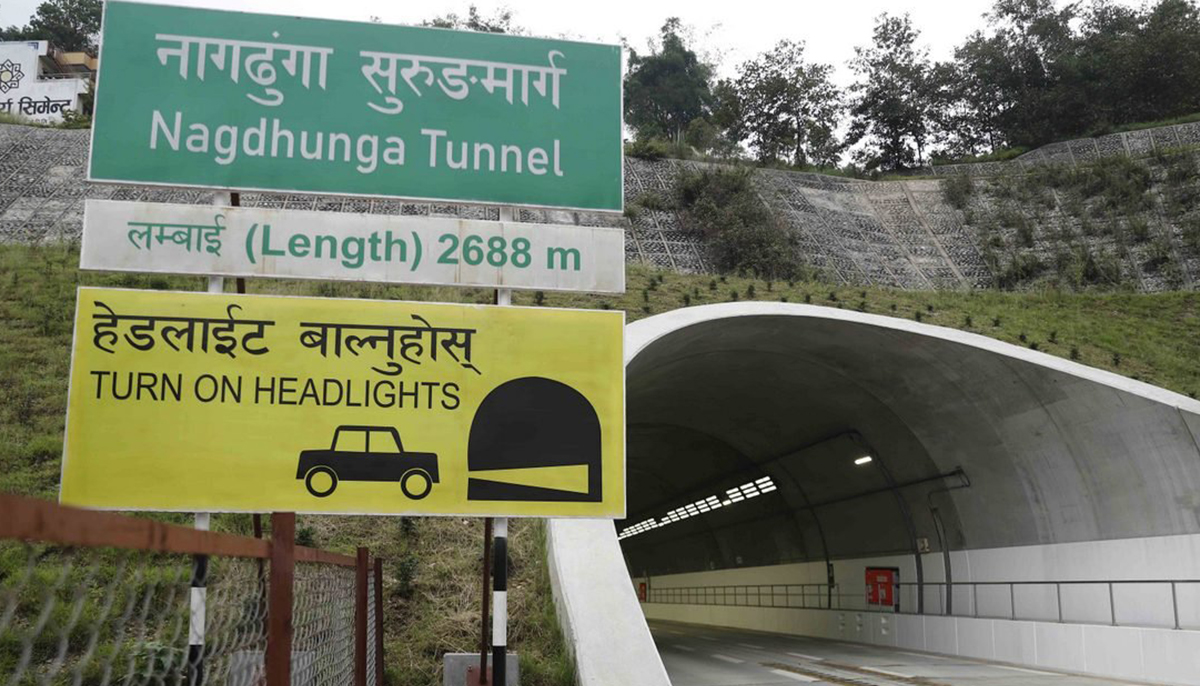
Faster Connection Between Kathmandu and Dhading
Stretching 2.688 kilometres, the tunnel starts from Totipakha in Dahachok, Chandragiri Municipality-1, Kathmandu, and connects with Sisnekhola in Dhunibesi Municipality, Dhading.
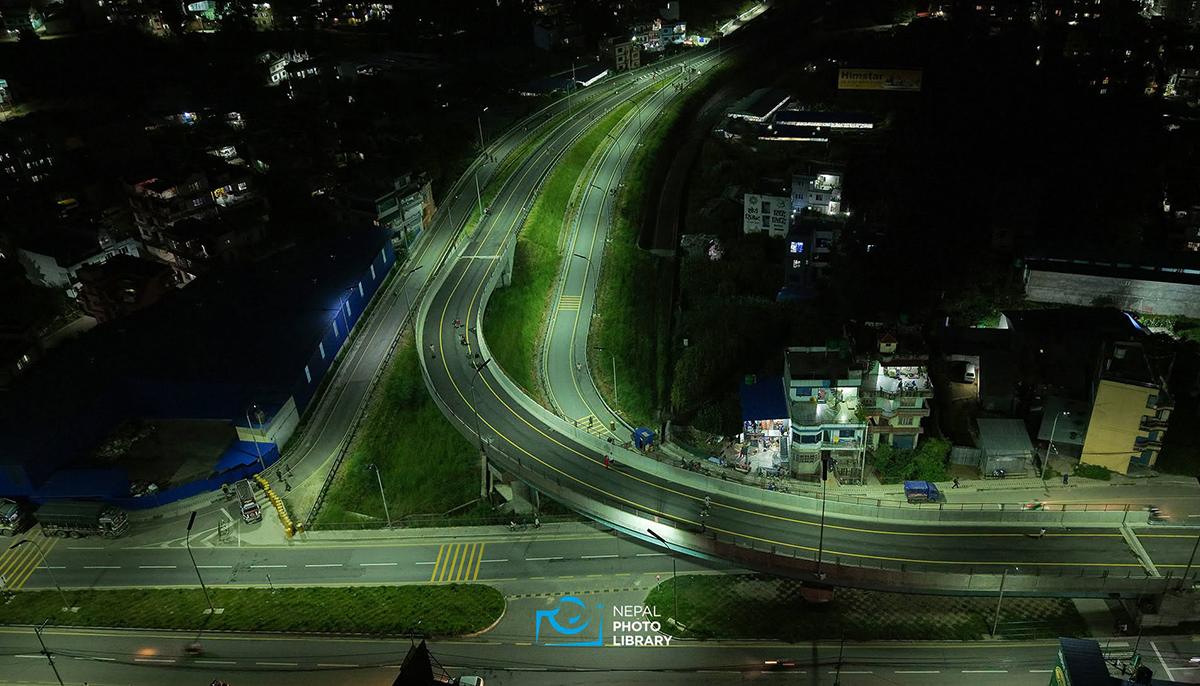
The project bypasses the existing Nagdhunga route, which frequently experiences long traffic queues due to steep gradients, narrow sections, and heavy vehicle movement.
Officials expect the tunnel to reduce travel time by around 33 minutes for vehicles heading towards Kathmandu and approximately 23 minutes for vehicles travelling out of the valley.
The connection between Sisnekhola and Balambu will also become shorter, reducing the road distance from around eight kilometres to nearly five kilometres.
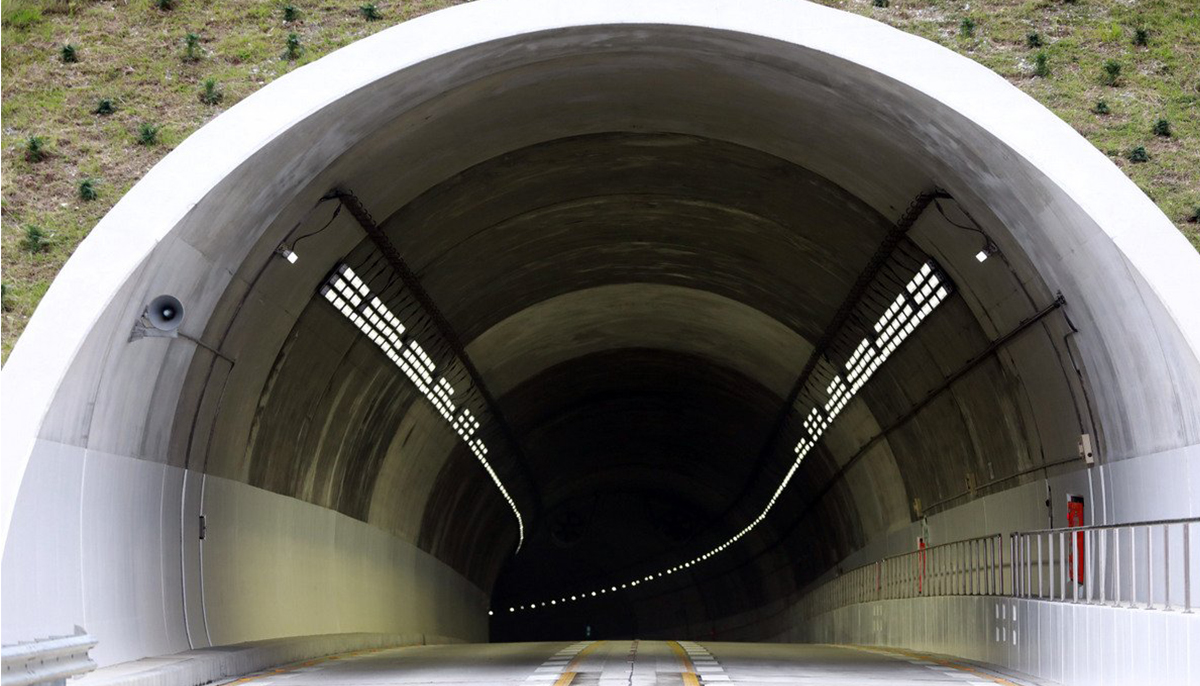
Designed With Modern Safety Systems
The tunnel includes a main traffic tunnel and a separate rescue tunnel designed to improve emergency response.
The main tunnel is 2,688 metres long, while the rescue tunnel extends 2,557 metres. Seven cross passages have been constructed between the two tunnels to allow emergency access during accidents or other critical situations.
The facility features modern safety infrastructure, including ventilation systems, jet fans, CCTV monitoring, communication systems, and emergency response arrangements.
Investment of Around NPR 25 Billion
The project was developed through a combination of a concessional loan from the Japanese government and investment from the Government of Nepal.
Around NPR 25 billion has been spent on the project. Of this, approximately NPR 17 billion was allocated for construction, around NPR 2 billion was added due to exchange rate fluctuations and increased construction costs, while nearly NPR 6 billion was spent on land acquisition and compensation. Around 480 ropanis of land were acquired for the project.
Seven Years From Construction to Completion
The foundation stone for the Nagdhunga–Sisnekhola Tunnel was laid by then Prime Minister KP Sharma Oli in October 2019, while the breakthrough of the main tunnel was achieved during the tenure of former Prime Minister Pushpa Kamal Dahal ‘Prachanda’ in April 2024.
The project was initially planned for completion within 42 months, but construction was delayed due to the COVID-19 pandemic, technical challenges, and other issues.
Constructed by Japanese contractor Hazama Ando Corporation, the Nagdhunga–Sisnekhola Tunnel is expected to serve as a foundation for future tunnel infrastructure projects and modern road connectivity initiatives.
Photos: Nepal Photo Library








Royal Enfield Hunter 350 Gets New Variant and Colours in Nepal

GAC Motor Nepal Issues Statement on Aion Y Fire Incident in Bharatpur

Changan Nevo Q05 Launched in Chitwan